
When the Past Still Hurts: Healing Emotional Wounds Between Mothers and Adult Daughters
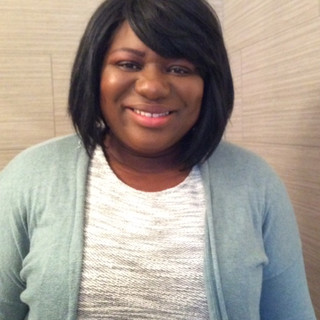
Hi, I’m Nada, a trauma-informed therapist supporting mothers and daughters as they work to heal, rebuild trust, and grow toward a more peaceful bond.

Not all mother-daughter relationships feel warm or easy.
Sometimes, the very person we wanted to feel safest with is the one who caused the deepest pain. And when those wounds go unspoken, they can silently shape how we show up, years or even decades later.
You may still carry the echoes of what wasn’t said, what wasn’t protected, what was misunderstood.
If that’s you or your daughter, you’re not alone. Let’s talk about how healing can begin—even when the past still hurts.
Why These Wounds Run So Deep
The mother-daughter bond is often loaded with hopes, expectations, and ideals. When those expectations aren’t met—through emotional neglect, harsh criticism, control, or unmet needs—the pain can linger well into adulthood.

Mothers may carry guilt, confusion, or defensiveness.
Daughters may carry anger, sadness, or a sense of not being “enough.”Both can feel misunderstood.
Often, both people are hurting—and both want connection—but don’t know how to get there.
In fact, research shows that emotionally unavailable or overly critical parenting can lead to long-term impacts on adult children's self-esteem, attachment styles, and mental health (Reid, 2020; McBride et al., 2018).
The Role of Unspoken Pain
In many families, emotional wounds often remain unspoken.

Statements like:
“That’s just how I was raised.”
“I didn’t know any better.”
“Why are you still bringing that up?
Can unintentionally silence daughters who are trying to process very real pain.
At the same time, mothers may feel blamed or rejected, even if they tried their best with the tools they had.
The pain becomes mutual, but not always mutual in its expression.
According to Dr. Terri Apter (2012), unresolved conflicts between mothers and daughters often stem from miscommunication and unexpressed emotional needs, not lack of love. Understanding this can shift how both parties approach the healing process.
Therapy Can Help You Both Understand and Repair
In mother-daughter therapy, we begin to name what’s been avoided and witness each other’s experiences, without rushing to fix, deny, or defend.

You’ll explore:
✔️ How old communication patterns still show up
✔️ The emotional needs that were unmet (on both sides)
✔️ What trust and respect would look like now
✔️ Ways to set boundaries without losing closeness
This isn’t about blame, it’s about understanding. And through that understanding, repair becomes possible.
How Healing Actually Happens
Healing isn’t instant. But in therapy, I guide you both through moments like:

✨ Saying things you’ve never said—gently, clearly, and without shame
✨ Apologizing meaningfully and receiving apologies with grace
✨ Learning to hear each other without defensiveness
✨ Creating new, small rituals of connection outside of conflict
These are the turning points. The quiet but powerful moments that rebuild trust.
Even small steps—like weekly check-ins, co-journaling, or doing shared creative activities—can increase relational satisfaction and improve emotional regulation (Lebow & Rekart, 2007).
Gentle Steps You Can Take

If you’re a daughter, start by:
Naming your feelings to yourself
Writing a letter (even if you don’t send it)
Asking for a conversation with clear intentions
If you’re a mother, start by:
Listening without interruption
Letting go of “being right” and leaning into being present
Validating your daughter’s experience, even if it’s hard to hear
If you’re both open to it, therapy can offer a guided space to explore these things together.
It’s not about being a perfect mother or daughter—it’s about showing up with honesty, openness, and a willingness to grow (Brown, 2010).
You Both Deserve Peace
🌸 If this blog resonates with you, I want you to know: the past doesn’t have to define your future.

You and your daughter can build a new kind of relationship, one rooted in respect, honesty, and healing.
At Nada Johnson Consulting & Counselling Services, I offer a warm, supportive space where mothers and daughters can reconnect through empathy and understanding.
Together, we’ll explore your relationship, honour your stories, and create a path forward grounded in love, even if it's taken a long road to get there.
You don’t have to figure it all out alone. 🩷
Warm Regards,
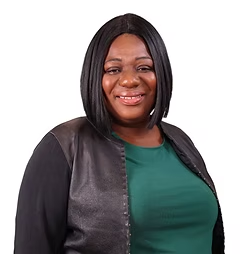
Nada Johnson, MSW, RSW
Registered Social Worker, Psychotherapist / trained Family Mediator / EMDR Trained Therapist / Certified Racial Trauma Clinician / Mental Health & Family Consultant / Professional Speaker

🌍 Website: www.nadajohnsonservices.com
📩 Contact: info@nadajohnsonservices.com
Nada Johnson Consulting & Counselling Services – Online phone and video sessions available
Village Healing Centre: 240 Roncesvalles Avenue
Follow our platforms for empowering content, trauma recovery tools, and mental health support. Please share this post to help other mothers and daughters on the path to healing. 🤝
References
Apter, T. (2012). Difficult Mothers: Understanding and Overcoming Their Power. W. W. Norton & Company.Brown, B. (2010). The Gifts of Imperfection. Hazelden Publishing.Johnson, S. M. (2019). Attachment Theory in Practice: Emotionally Focused Therapy (EFT) with Individuals, Couples, and Families. Guilford Press.Lebow, J., & Rekart, K. (2007). Integrative approaches to couple therapy. Journal of Contemporary Psychotherapy, 37(3), 171–179.McBride, M. C., Hays, D. G., & Chang, C. Y. (2018). Parent–child relationships: Attachment, emotion regulation, and well-being. Journal of Counseling & Development, 96(2), 127–136.Reid, D. (2020). The long-term effects of parental invalidation on adult psychological functioning. Psychological Reports, 123(1), 33–48.White, M., & Epston, D. (1990). Narrative Means to Therapeutic Ends. Norton.

Want More Support for Your Professional & Personal Growth?
🔷Try Potential Unlocked™
In addition to counselling, NJCCS offers coaching through our sister brand, Potential Unlocked™, designed specifically for professional women navigating career, leadership, and life transitions.
We support clients with:
Communication and conflict strategy in the workplace
Career development and leadership coaching
Navigating workplace dynamics and burnout recovery
Building confidence in both personal and professional relationships (Online dating empowerment coaching, because personal growth impacts professional life too!)
👉 Visit www.potentialunlocked.ca to learn more or book a free 10-minute consultation call.


Comments